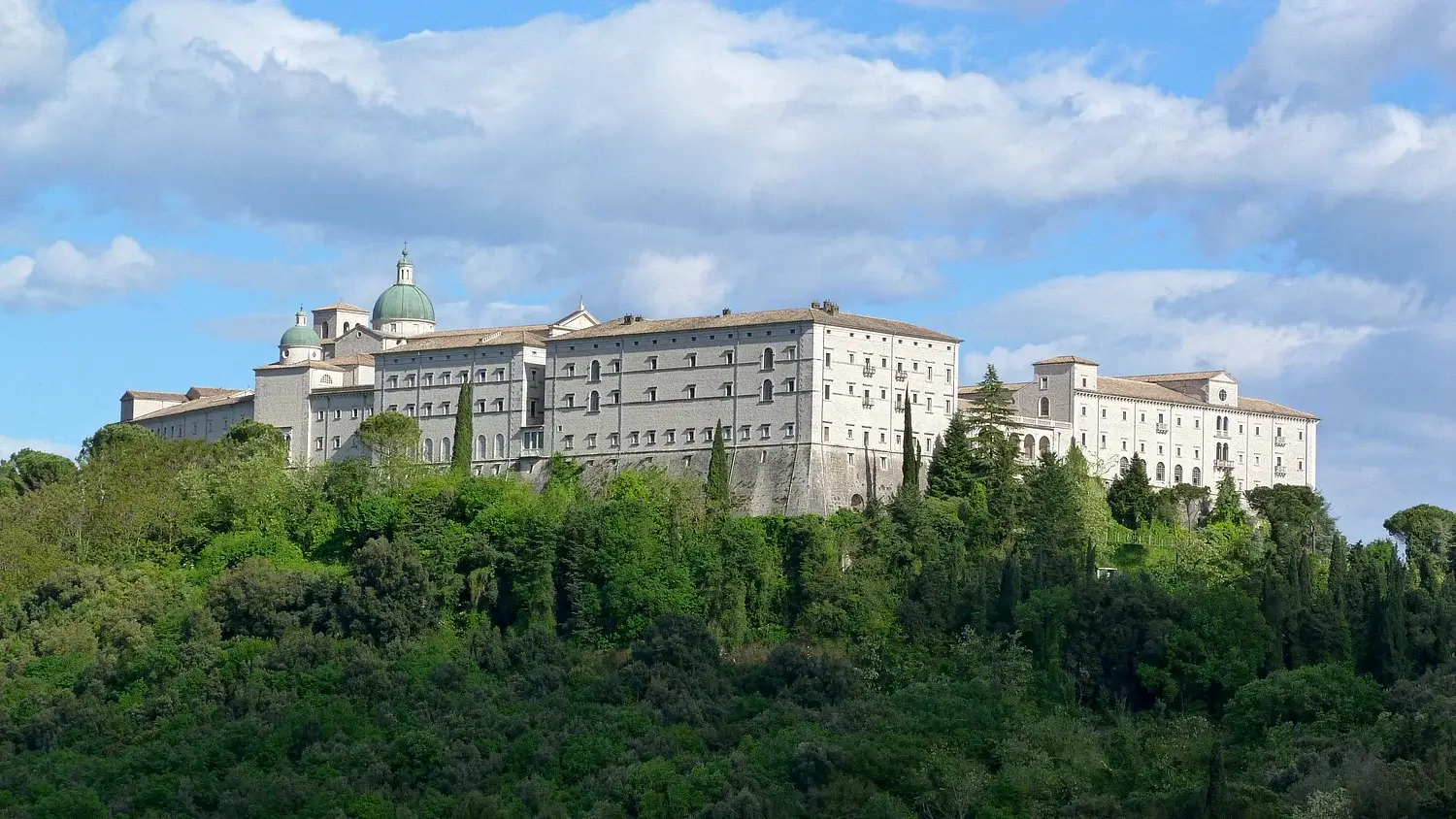
The Abbey of Montecassino on its hilltop above the Liri Valley
04
August 29, 2026  ·  Day 4 Montecassino  ·  Mignano  ·  Seven Oaks

Beauty. Endurance.
Resilience.

The Abbey of Montecassino — ancient in origin, twice destroyed, and rebuilt each time with extraordinary discipline. Then, an evening of flour and laughter.

Scroll
529Year Founded
1944Year Destroyed
1964Rededicated
18:00Pizza Class
19:30Dinner Together

How the Day
Unfolds

  • 08:30
    Breakfast at Seven OaksThe familiar morning calm — pastries, fruit, good coffee — before a day of layered significance.
  • 09:15
    DepartureSmall executive vans head toward one of the most symbolically powerful sites in Italy.
  • 10:45
    Arrival — Abbey of MontecassinoThe hilltop abbey comes into view — commanding, contemplative, placed deliberately between earth and sky.
  • 11:00
    Guided VisitThrough the restored cloisters, basilica, and monastic spaces — a place that holds fifteen centuries of history and the visible memory of war.
  • 11:45
    Historical OverviewA focused orientation to the wartime context — the 1944 bombing, the rebuilding, and what the abbey's survival means to Italy and the world.
  • 12:30
    Stop in MignanoA brief pause in this valley marked by the wartime Winter Line — a quiet acknowledgment of the battles that shaped the surrounding landscape in late 1943.
  • 13:30
    Return to Seven Oaks — LunchBack to the village for a relaxed midday meal before the afternoon opens into rest.
  • 15:30
    Rest TimeA swim, a walk through the grounds, time with a book on the terrace. Space to absorb what you have seen.
  • 18:00
    Pizza Cooking ClassHands on flour, dough, the logic of a good crust. Communal, joyful, and entirely Italian in spirit.
  • 19:30
    Dinner — What You MadeThe evening meal features the pizzas you created together. Warm, informal, and deeply satisfying.

A Different Kind
of Gravity

Day Four carries something the others do not quite hold in the same way. It is not the aesthetic beauty of Caserta or the haunting intimacy of Pompeii — it is the particular weight of a place that has been destroyed and rebuilt, destroyed and rebuilt again, and still stands.

Montecassino is a site of extraordinary spiritual and historical significance. Founded in the sixth century, bombed to rubble in the twentieth, and painstakingly restored to its original form — it is a lesson in endurance that Italy has been quietly teaching for centuries. Standing within its restored spaces, you feel the duality: the clarity of new stonework alongside the memory of what was lost and what was chosen to be rebuilt.

By evening, the tone turns entirely. The kitchen becomes communal, the pace turns playful, and the day closes not with solemnity but with the elemental pleasure of making something with your hands and eating it with people who have, over three days, become something like friends.

The Abbey of Montecassino — rebuilt and rededicated 1964

"An architectural refuge placed deliberately between earth and sky — ancient in origin, yet visibly reborn."

Founded in 529 by Saint Benedict of Nursia, Montecassino is considered the birthplace of Western monasticism.

The Rule of Saint Benedict — written here, in these hills — shaped centuries of European cultural and spiritual life. It established the idea of community governed by balance: prayer, work, and study in measured rhythm. From its hilltop position above the town of Cassino, the abbey feels both commanding and contemplative, placed at a height that belongs to neither town nor cloud but occupies something between them.

Walking through its cloisters, you begin to sense what fifteen centuries of continuous habitation feels like in stone. The light falls differently here. The silence, when it comes, has a particular quality — not absence, but depth.
February 15, 1944

What Makes It
Truly Unforgettable

On February 15, 1944, Allied forces bombed the Abbey of Montecassino, believing it was being used as a German military observation post. Later investigations found there were no German troops inside at the time. Civilians who had taken shelter within the ancient walls were killed. The ruins were subsequently occupied by German forces.

The story is sobering — a reminder that even the most sacred and enduring places are not exempt from the logic of war. But it also sets the stage for something rarer than beauty: a place that is ancient in origin, yet visibly reborn.

After the war, the abbey was rebuilt with extraordinary discipline — reconstructed to match its historic form in every detail. It was rededicated by Pope Paul VI in 1964. Standing within its restored spaces today, you can feel that duality: the clarity of new stonework and light alongside the weight of a site that has witnessed — and survived — fifteen centuries of history.

It is one of the few places where "restoration" does not read as replacement, but as continuity — a conscious act of cultural defiance, chosen stone by stone.

The stop in Mignano adds another layer of context. Italy is not only art and beauty — it is resilience, rebuilt again and again.

This valley lies within a landscape deeply marked by the wartime Winter Line — the network of German fortifications that Allied forces struggled to breach across these hills in the bitter winter of 1943. Mignano is a brief pause, not a formal site — but it sharpens the day's theme in a way that lingers. The hills around you carry their history quietly. Knowing it changes how they look.

"It is one of the few places where 'restoration' does not read as replacement — but as continuity."

— Seven Oaks Italy on Montecassino
🍕
15:30 — The Day Turns

Rest. A swim. The rolling grounds in the late afternoon light. Then flour on your hands, dough on the table, and laughter in the kitchen.

Back at Seven Oaks, the afternoon slows intentionally.

A swim in the pool. A glass of wine on the terrace as the light angles low over the rolling hills. A walk through the village paths without particular purpose. The day has asked something of you — the scale of the abbey, the weight of the war context, the long drive through Italian countryside. The afternoon gives it space to settle. There is no agenda until 18:00, and that gap is not an oversight. It is the design.

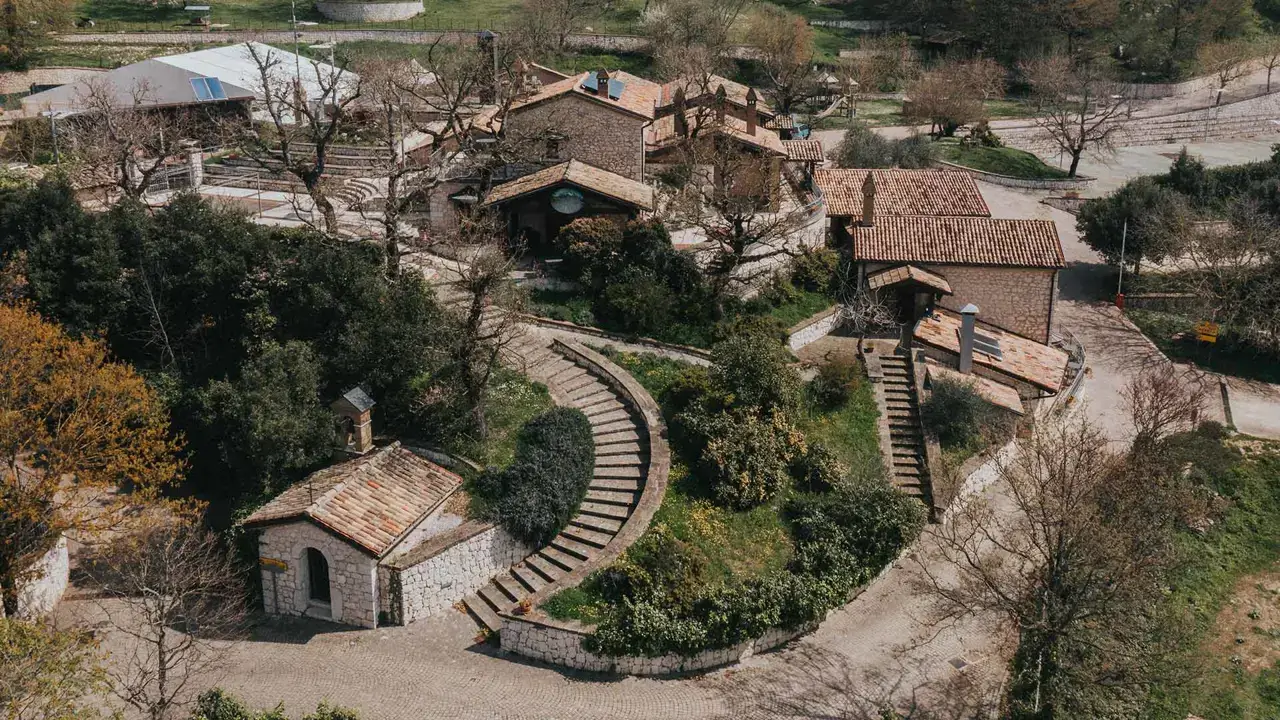
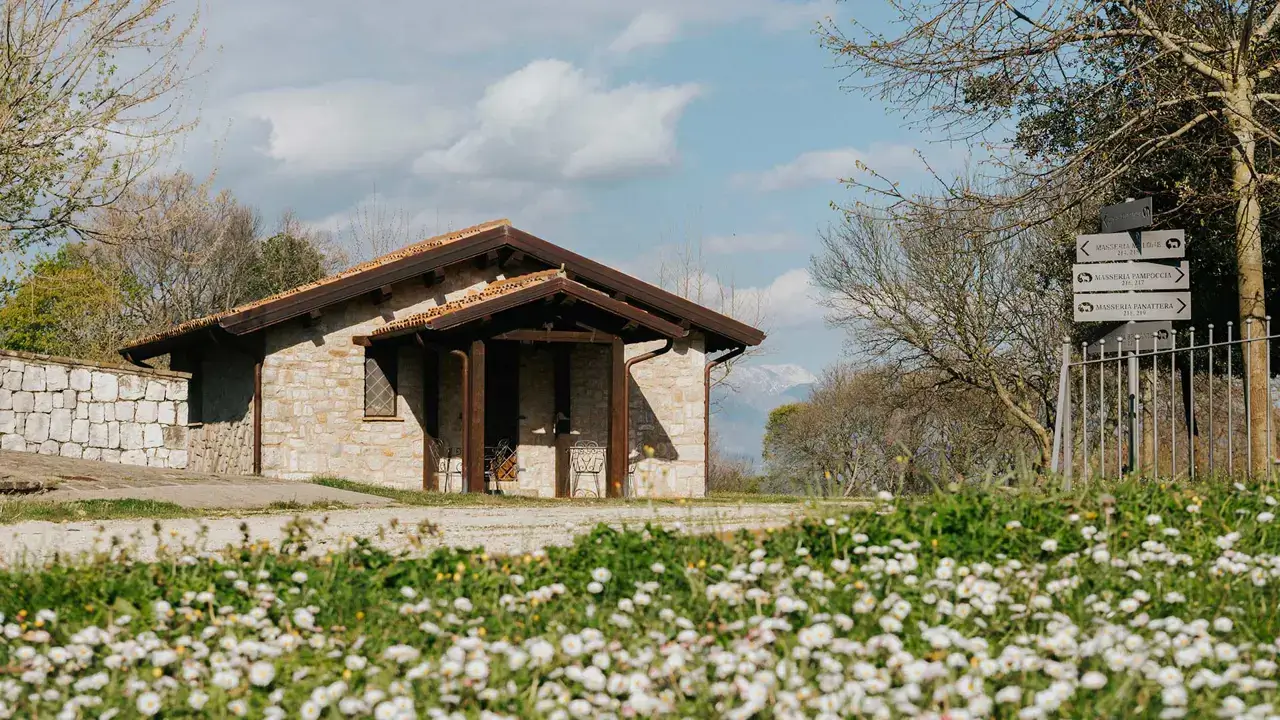
Seven Oaks village — afternoon rest
Seven Oaks — The Afternoon
The terrace at Seven Oaks in late afternoon light
The Terrace — Late Light

In the evening, the tone turns joyful and communal — flour on the table, laughter in the air, and something warm coming from the oven.

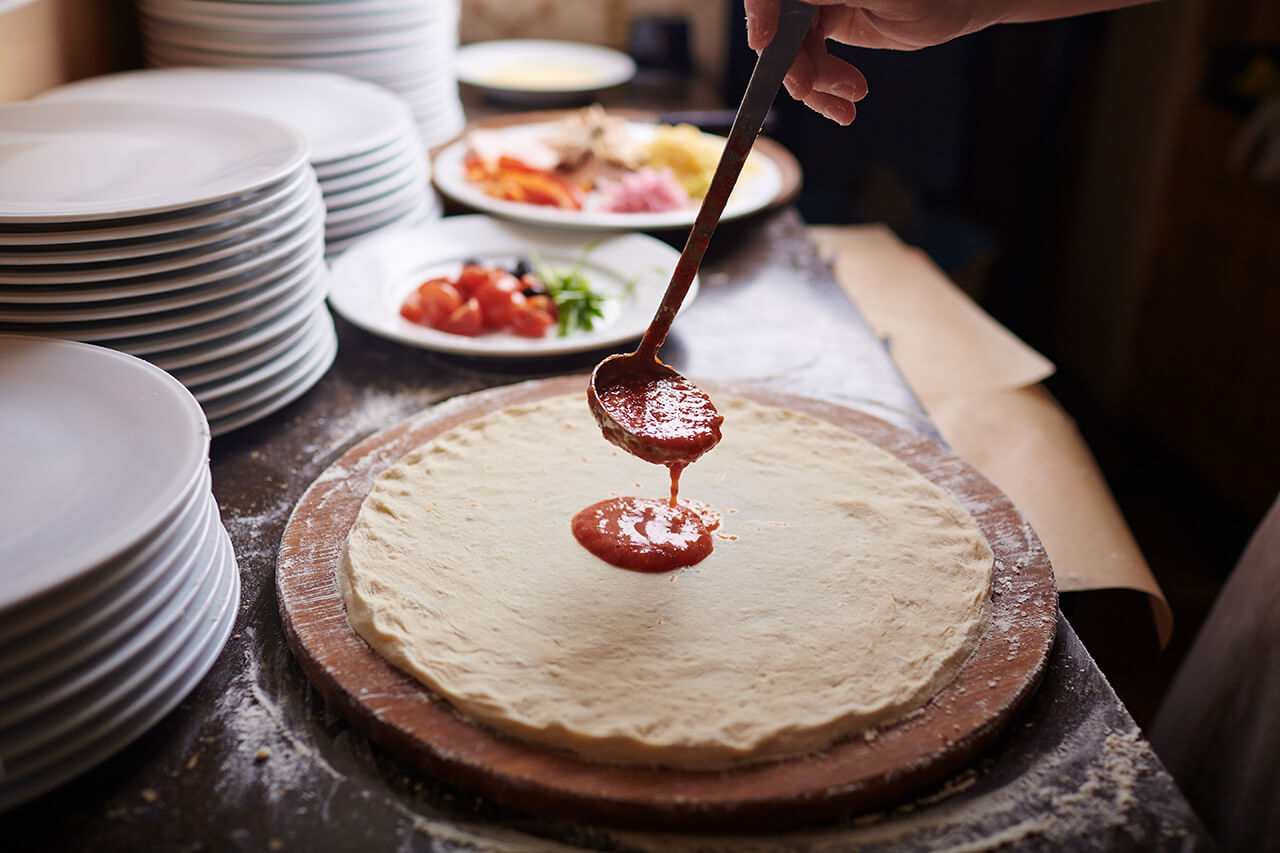
The pizza cooking class is not a demonstration. You are in the kitchen, with your hands in the dough, learning the logic of a proper Italian crust from the people who make it every day. The dough is made from scratch. The technique is passed along in the way it has always been passed — not from a recipe card, but from a pair of hands to another. Toppings are simple and regional. The result is imperfect, personal, and entirely delicious.

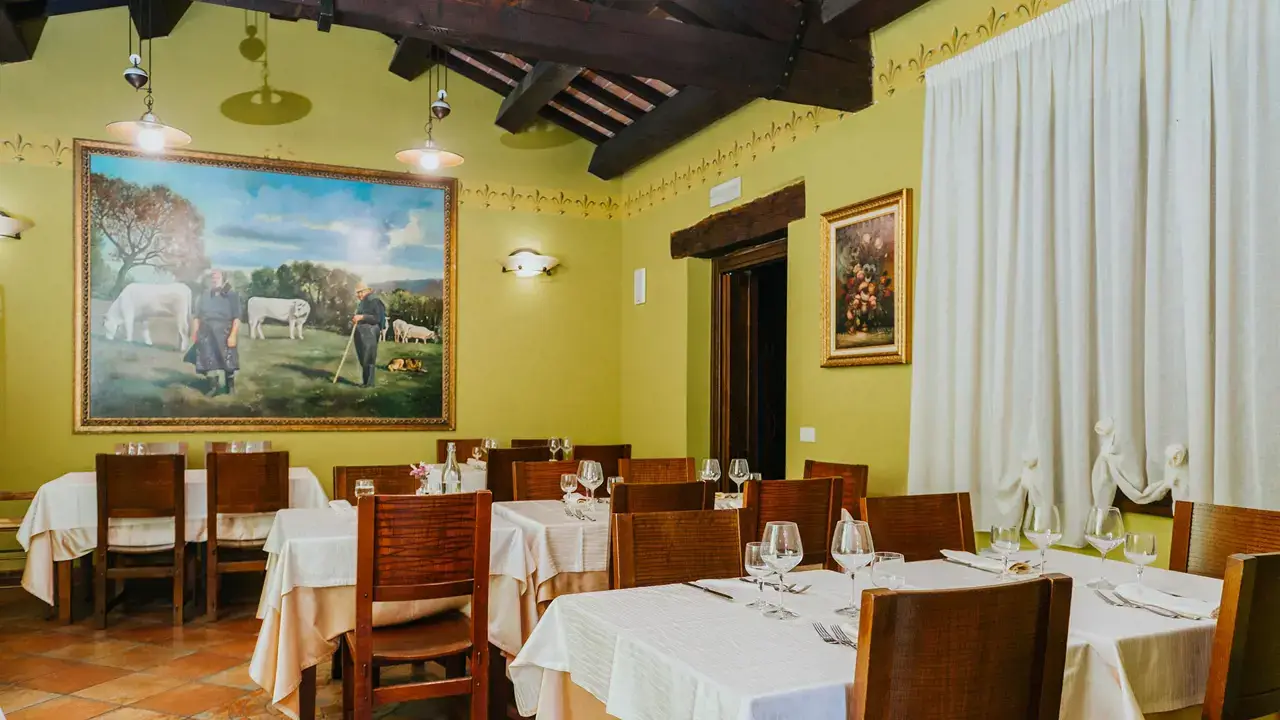
By 19:30, the group sits down to eat what it has made. The table is informal. The wine pours easily. After a day that held the weight of centuries, there is something quietly profound about ending it with something this simple — warmth, bread, good company.

Hands preparing pizza dough — Seven Oaks cooking class
The Pizza Class — 18:00
Dinner at Seven Oaks restaurant
Dinner Together — 19:30

Everything You Need
to Know

👟 What to Wear
  • Comfortable walking shoes — the abbey involves walking on stone and stairs
  • Smart casual attire — the abbey is an active religious site; modest dress is respectful (shoulders and knees covered)
  • A light layer — monastic interiors can be cool even in August
  • Comfortable, relaxed clothing for the afternoon and evening — the pizza class is hands-on and informal
  • An apron is provided for the cooking class — wear something you don't mind getting flour on
🏛️ The Abbey — What to Know
  • Montecassino is both a working monastery and a war memorial — silence and respect are appropriate throughout
  • Photography is permitted in most areas — certain spaces within the basilica may restrict flash photography
  • The hilltop position means a steep approach — vehicles take guests directly to the entrance
  • Entrance fees are included in your Seven Oaks package
  • The CWGC Montecassino War Cemetery is nearby — guests who wish to visit may do so
This day carries historical weight. Our guide will provide context sensitively and without political framing — the goal is understanding, not judgment.
🍕 The Pizza Class
  • The class runs approximately 75–90 minutes, followed immediately by dinner
  • All skill levels welcome — this is participatory, not performative
  • The class is conducted in a mix of Italian and English by the kitchen team
  • Dietary alternatives can be accommodated — please notify in advance
  • Vegetarian and gluten-sensitive guests should flag requirements at booking
The pizza you make together becomes the centrepiece of the 19:30 dinner. It will taste better than it has any right to.
🍽️ Meals Today
  • Breakfast at Seven Oaks — 08:30, included
  • Lunch at Seven Oaks on return — approximately 13:30, included
  • Dinner at Seven Oaks — 19:30, the pizzas you prepared, included
  • All meals are included; dietary restrictions will be respected throughout
Tomorrow (Day 5) is the Amalfi Coast — the signature day of the journey. An early, attentive departure at 09:15 is important. A good night's rest is encouraged.
WhatsAppChat with us