Bells — the living tradition of the Marinelli Foundry
07
September 1, 2026  ·  Day 7 Agnone  ·  Miranda  ·  Molise

The Living
Identity of Molise

Craft practiced not for visitors, but because it has always been practiced here. A cheese born from altitude and patience. Bells cast by the same family for nearly a thousand years. And a village that means, simply, to admire.

Scroll
c. 1040Marinelli Foundry Origins
1339First Documented Bell
1493Miranda Church Founded
mirorLatin Root of Miranda
19:30Dinner at Seven Oaks

How the Day
Unfolds

  • 08:30
    Breakfast at Seven OaksThe familiar morning calm before the road climbs toward Agnone and a day of living tradition.
  • 09:15
    DepartureThe road ascends into the high country of Molise — Agnone sits at altitude, the air noticeably cleaner.
  • 10:30
    Di Nucci DairyCaciocavallo cheese production — milk becoming memory, transformed through time-honoured technique into a cheese that reflects the pasturelands and altitude of this region.
  • 11:30
    Marinelli Bell FoundryOne of the oldest continuously operated family foundries in the world. Bronze still poured using ancient methods. Fire, earth, metal, and sound — and a continuity that is profoundly moving.
  • 12:45
    Transfer to MirandaThe road winds higher — toward a village set in a natural amphitheatre above the valley.
  • 13:15
    Lunch in MirandaA meal in the village where Lou Tortola was born — a table with history at every level.
  • 14:30
    Village Walk & Cultural StorytellingStories of families, traditions, language, and ritual — an intimate encounter with the soul of a region told by someone who carries it personally.
  • 15:45
    Scenic ReturnThe descent through the Molise valleys — a different landscape at this hour of the afternoon.
  • 17:00
    Arrival at Seven OaksRest, pool, the open grounds, silence. The hills invite it.
  • 19:30
    Dinner at Seven OaksTraditional cuisine honouring methods handed down through generations. A quiet celebration of continuity, of land, and of shared table.

Craft Practiced
Because It Has Always Been

There is a difference between heritage and living tradition — and Day Seven exists entirely in the second category. The cheese being made at Di Nucci is not a demonstration for tourists; it is the morning's work, as it has been every morning for generations. The bronze being poured at Marinelli is not a re-enactment; it is a commission, as it has been since long before anyone reading this was born.

This is what Molise offers that other parts of Italy, more visited and more commodified, have quietly lost: the sense that you are witnessing something that would be happening whether you were here or not. That is the most honest form of cultural encounter.

And then Miranda — Lou's birthplace — where the storytelling becomes genuinely personal. This is not a curated cultural experience. It is an invitation into a place that shaped someone, extended to you.

Milk becoming memory — transformed through time-honoured technique into a cheese that reflects the pasturelands and altitude of this region.

Caciocavallo is one of southern Italy's most beloved culinary traditions — a stretched-curd cheese shaped by hand, tied in pairs, and hung to age. At Di Nucci, the process unfolds as it always has: unhurried, precise, and entirely dependent on the quality of the milk and the knowledge of the hands that work it. The result is a cheese with character — firm, golden, slightly smoky in its aged form, and deeply expressive of the altitude and grass of the Agnone territory.

Italian gastronomy is rarely about complexity. It is about precision, patience, and respect for origin. This visit makes that philosophy visible.
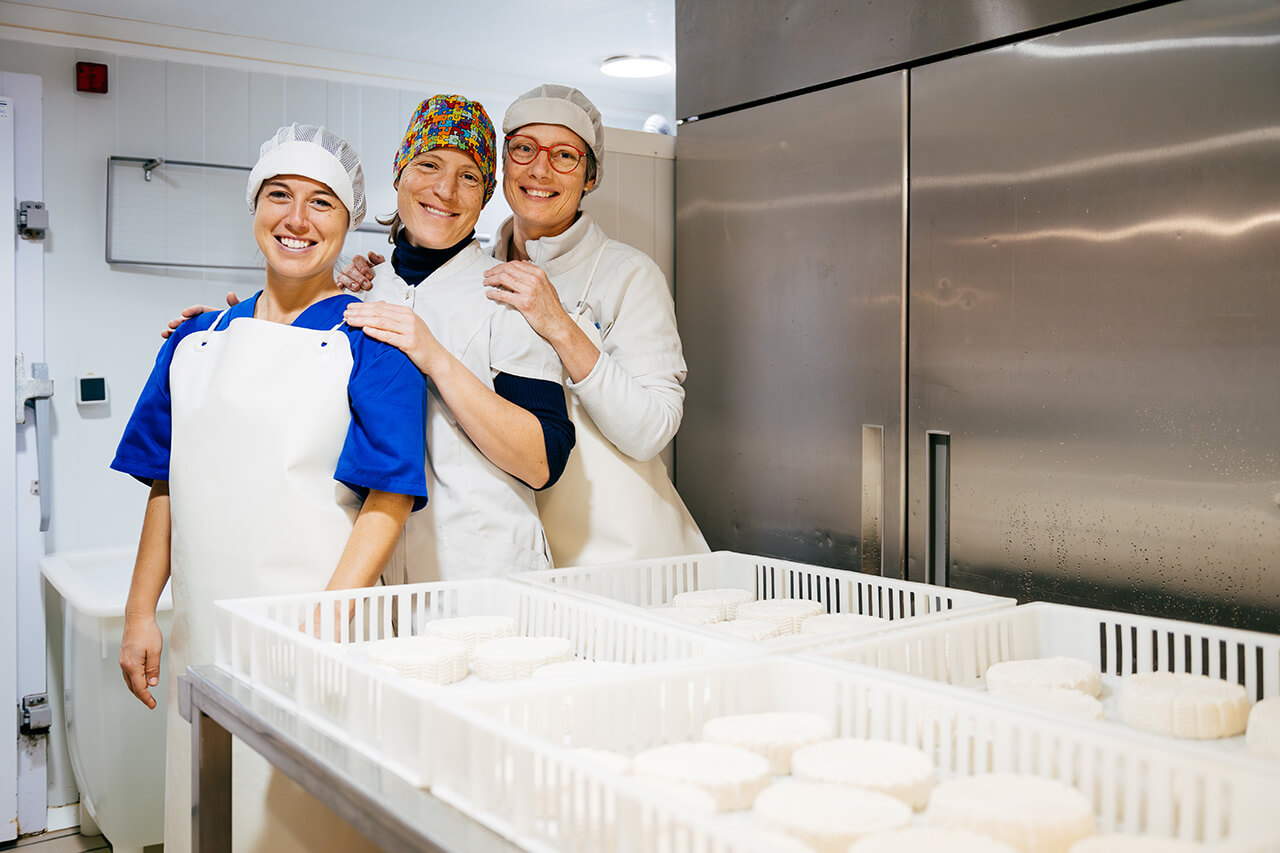
Dairy workers at Agnone — caciocavallo production
Di Nucci Dairy — Agnone
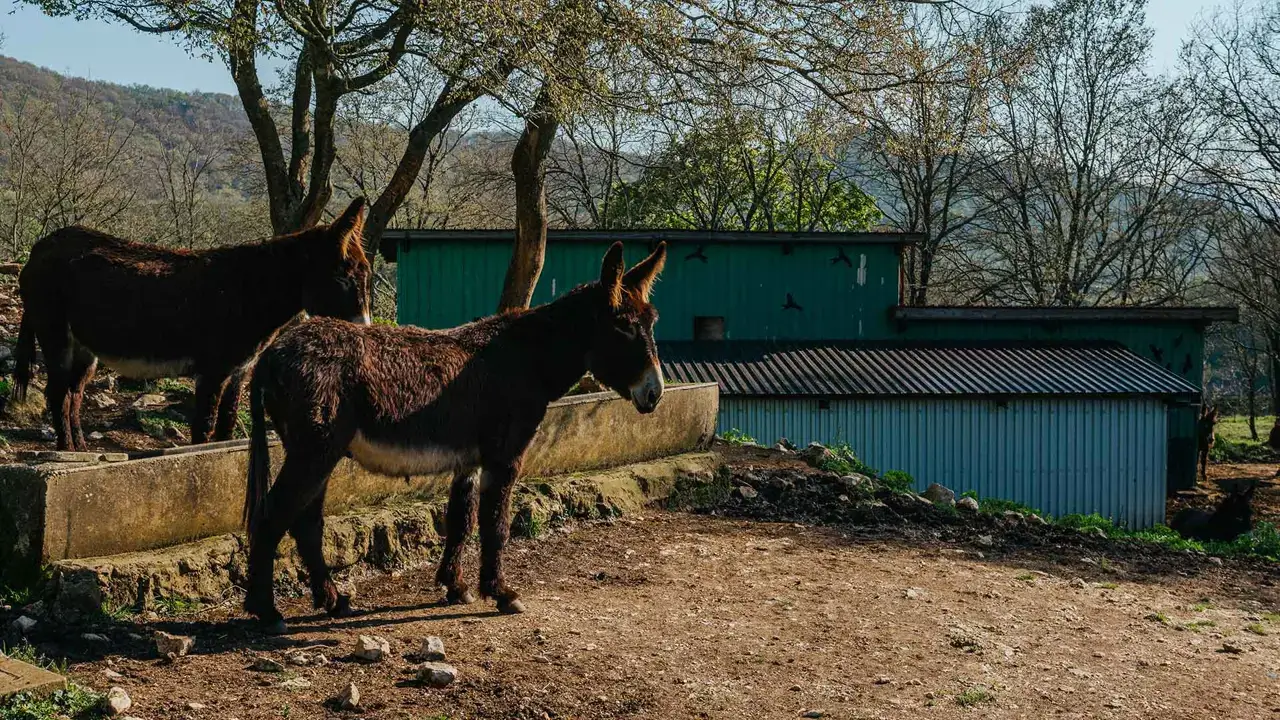
Molise landscape — hill country near Agnone
The Agnone Territory
11:30 — Pontifical Marinelli Bell Foundry, Agnone

Fire. Earth. Metal.
Sound.

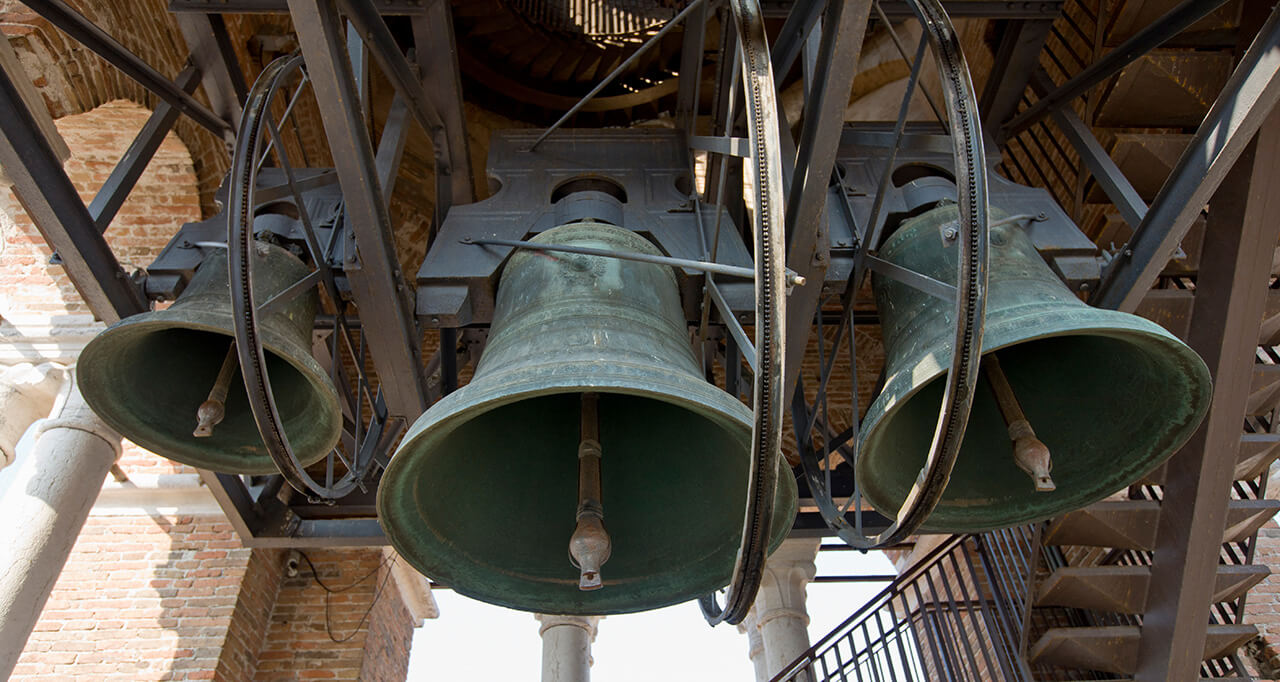
The Marinelli family's bell-making tradition is commonly traced back to around 1040, making it one of the oldest continuously operated family-run foundries in the world. In 1339, a bell bearing the Marinelli name marked the early historical documentation of their craft — a name that has appeared on bells in churches, cathedrals, and civic towers ever since, across Europe and beyond.

For centuries, these bells have carried sound across towns and continents — announcing weddings, calling the faithful, marking loss, and celebrating civic milestones. Inside the foundry, bronze is still poured using ancient methods. The process is elemental — fire, earth, metal — and the result is sound: a resonance that has carried across centuries without alteration.

Here, heritage is not preserved behind glass. It resonates. Visiting the Marinelli foundry is one of those encounters that sits with you long after the day has ended — not because it is dramatic, but because it is continuous. The same hands. The same fire. The same sound going out into the world.

c. 1040Foundry Origins
1339First Documented Bell
~1,000Years Uninterrupted
PontificalHonour from the Vatican
Bells — the sound of centuries

"For centuries, these bells have carried sound across towns and continents — announcing weddings, calling the faithful, marking loss, celebrating milestones."

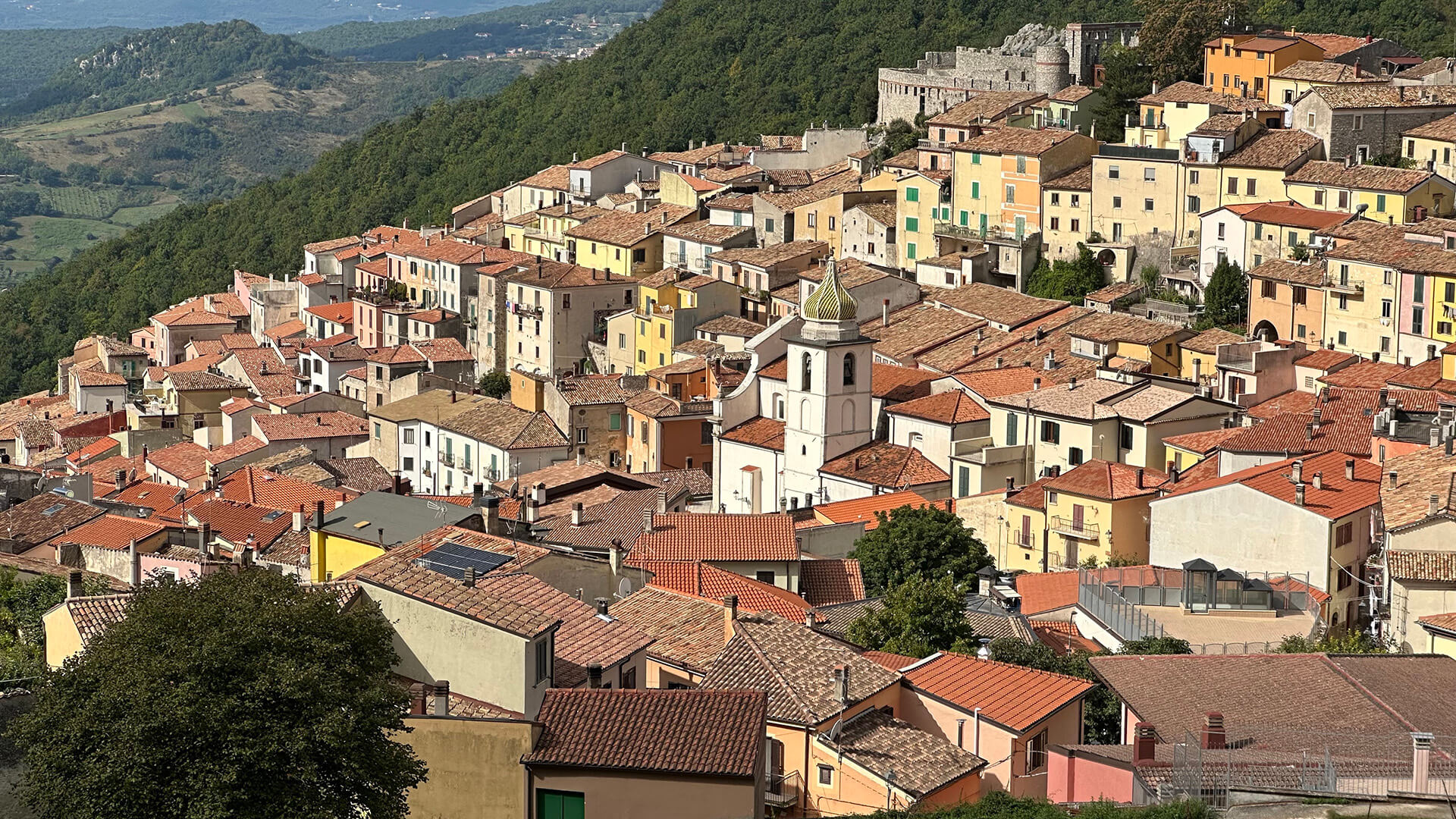
Miranda — Lou Tortola's birthplace, Molise
miror (Latin) — to admire

The Place That
Shaped the Journey

The journey becomes personal here. Miranda is Lou Tortola's birthplace — a village where he still maintains a home, and where the stories told are not drawn from a guidebook but from lived memory and family continuity.

Set high above the valley, Miranda rises in a natural amphitheatre formation, its stone houses cascading inward while opening outward to expansive views. The very name is thought to derive from the Latin miror — to admire — and the town lives up to that etymology at every turn. At its heart stands the Church of Santa Maria Assunta, documented in 1493, anchoring the community's spiritual and architectural identity for centuries.

A walk through Miranda is not about monuments alone. It is about belonging. Stories unfold — of families who remained, of traditions preserved, of language and ritual carried forward. This is an intimate encounter with the soul of a region. To be invited into it is something genuinely rare.

"A walk through Miranda is not about monuments alone — it is about belonging."

— Seven Oaks Italy on Day 7

By late afternoon, the return to Seven Oaks feels like coming home — perhaps more than any other day.

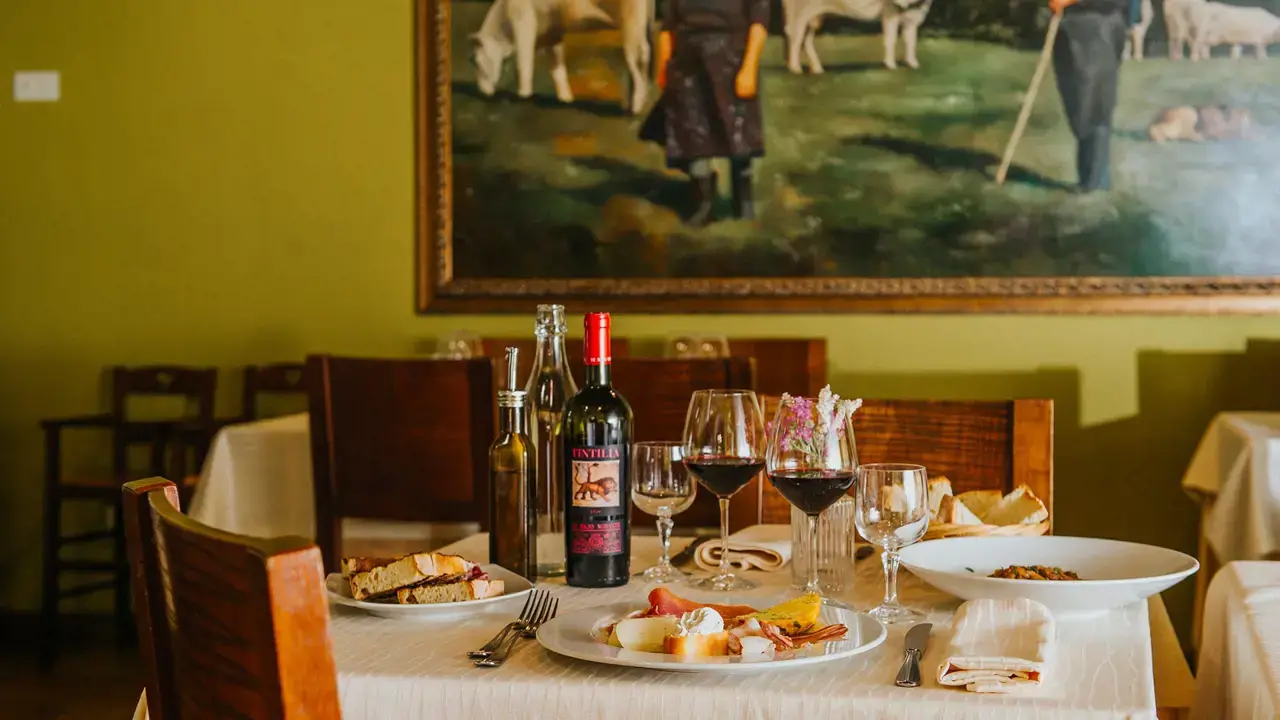
The pool. The terraced grounds in the late light. The familiar outline of the hamlet against the sky. After a day spent in the living identity of the region — its cheese, its bronze, its village, its stories — the property feels charged with connection. Dinner unfolds slowly and without haste, dedicated to traditional cuisine that honours the methods handed down through generations. Served within the welcoming atmosphere of the village, it becomes more than a meal — a quiet celebration of continuity, of land, and of shared table.

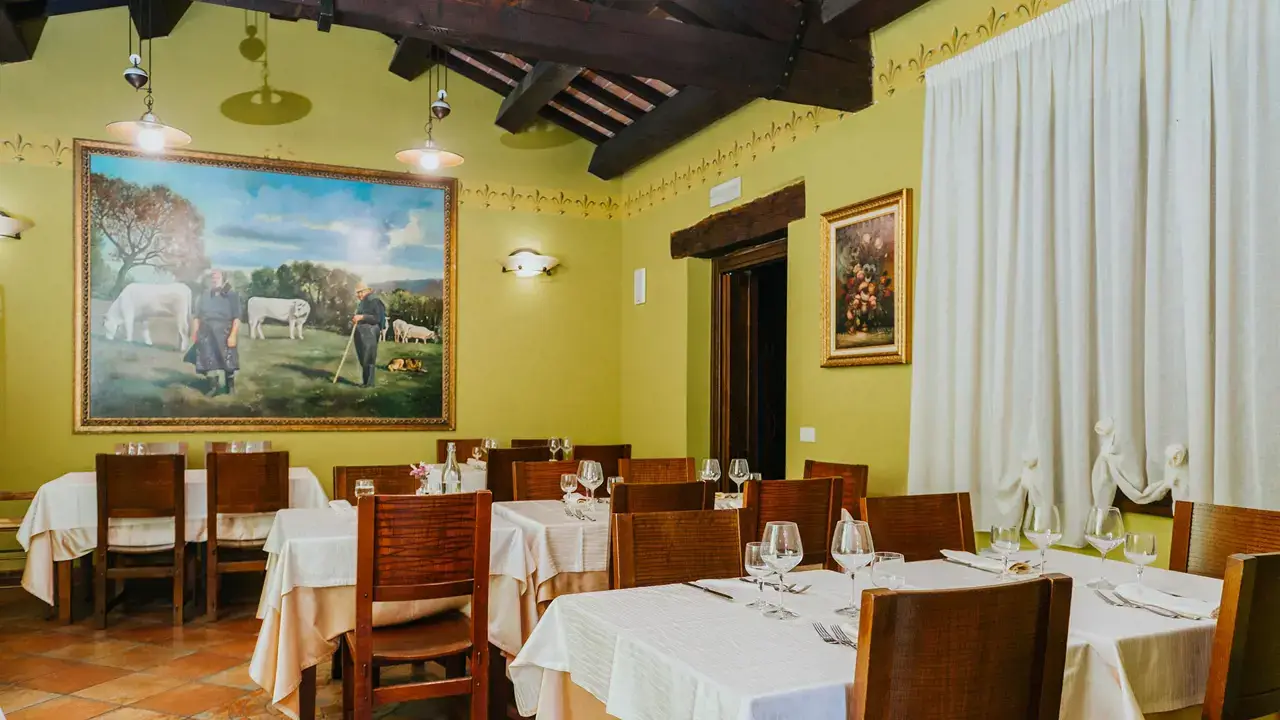
Dinner at Seven Oaks — the restaurant
The Restaurant — Le Sette Querce
Table set for dinner — regional wine and cuisine
Dinner — 19:30

Everything You Need
to Know

👟 What to Wear
  • Comfortable walking shoes — Agnone and Miranda both involve uneven stone surfaces and inclines
  • A light layer — Agnone sits at altitude and can feel noticeably cooler than the valley, even in September
  • Relaxed, smart casual attire — appropriate for both the dairy visit and the village walk
  • Closed shoes are preferable for the foundry — the working environment involves hot materials and uneven floors
Miranda sits at over 900 metres above sea level. Even in early September, a light jacket for the afternoon walk is sensible.
🔔 The Bell Foundry
  • The Marinelli foundry is a working production facility — visits are conducted with respect for the ongoing work
  • Photography is generally welcomed — confirm with guide on the day
  • The foundry shop carries small bronze items and reproductions — these make exceptional and meaningful gifts
  • The visit runs approximately 45–60 minutes including an orientation to the casting process
  • If a pour or production event is scheduled on the day, you may witness the bronze process directly — a rare privilege
🏘️ Miranda
  • Miranda is a small, living village — the visit is a matter of presence and conversation, not ticketed entry
  • The village walk and cultural storytelling runs approximately 60–75 minutes
  • Lou's personal connection to Miranda makes this a storytelling experience unlike anything else on the itinerary
  • The Church of Santa Maria Assunta may be visited if open — a quiet, beautiful interior
  • The views from Miranda's upper streets across the valley are among the finest of the journey
Miranda is the kind of place that reveals itself slowly. There is no rush. There is nowhere else to be.
🍽️ Meals Today
  • Breakfast at Seven Oaks — 08:30, included
  • Lunch in Miranda — approximately 13:15, included
  • Dinner at Seven Oaks — 19:30, included
  • The dairy visit may include a caciocavallo tasting — one of the finest cheeses you will encounter on the journey
Tomorrow (Day 8) is Rome — a full day in the Eternal City. Departure at 09:15. An early, well-rested morning is recommended.
WhatsAppChat with us